
Showing posts with label Chicken Basics. Show all posts
Showing posts with label Chicken Basics. Show all posts
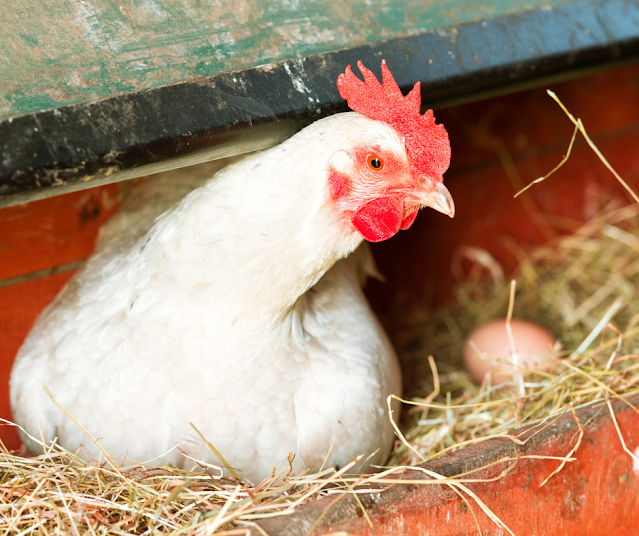
How Old Do Chickens Need to Be to Lay Eggs?
When will your chickens start to lay eggs? The wait for the first eggs from your new hens may seem long, but in the grand scheme of things, it's not. When hens are about five to six months old they will start to lay eggs. Find out more about what to expect when you're egg-specting!
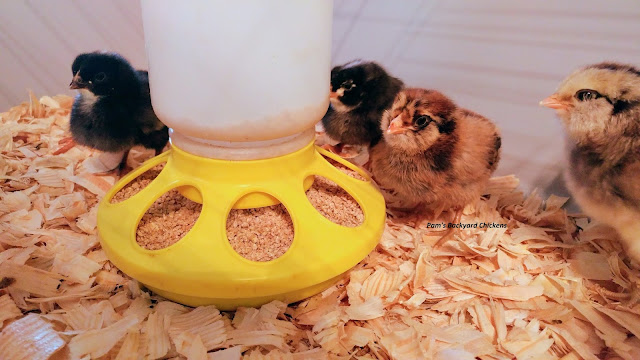
A Guide to Raising Baby Chickens for Beginners
Nowadays many are taking
back some control and raising their own food via a flock of backyard chickens.
It’s not a bad idea! If you’ve never raised a flock before, or need a quick
refresher, here's a quick guide to raising baby chickens for beginners.

7 Tips for Buying Chicks From the Feed Store
Make Sure You're Prepared Before You Get to the Feed Store
For a few months each spring, when you walk into your local feed store, you're greeted to the chorus of tiny chicken chirps as the annual chick season tempts so many shoppers. If you're not sure of where to buy baby chicks, this is a great place to pick up your first flock members or add to your existing flock of backyard chickens. It's local. It's immediate. And it's fun.
Here are some tips to make the process easier on you and your new flock members.

Molting Chickens Explained
Molting is a natural process that chickens go through at different times in their lives. A chicken's first molts take place as it grows from a baby chick to an adult. Because they're babies, we tend to think of this as a process of growing up, and it is, but it's technically molting.
As adult chickens, molting takes place in late summer and fall when birds replace old feathers with new plumage.


Can You Raise Chicks in the Fall?
Chick season is prominent in the spring, but can you raise chicks in the fall? Yes. In many parts of the country, fall weather is mild and raising chicks is easy. But even in the North, raising chicks in the fall is possible and even preferable by many. If you'd like to start a flock or expand your existing flock, fall is a great time to take the plunge!


Why do Roosters Crow? Plus Answers to Other Odd Chicken Questions!
Why do roosters crow? Have you really stopped to think about all that crowing? Why so much? If you feed your chickens meat will they turn into cannibals? What about your backyard swimming pool; is that a place your chickens might like to visit? So many questions! Here are five top chicken questions along with the answers.


Feathers 101 - Why Does a Chicken Lose Feathers and More....
Why does a chicken lose feathers? Why are some feathers fluffy and others not? Why do roosters have different feathers than hens? There are so many questions about chicken feathers. Here’s a helpful guide to answer those questions and more…

How to Use Rosemary in Your Home and Chicken Coop
Rosemary uses are as varied as its varieties from the kitchen, throughout the house and even to the chicken coop. A native of the Mediterranean, Portugal and northwestern Spain, the name rosemary means "sea-dew" since its blossoms have a dew-like appearance. Known for remembrance, rosemary is certainly a hard-to-forget herb!


Do Chickens Eat Ticks and Spiders?
Have you ever wondered if chickens eat ticks and spiders? The short answer is yes. In fact, before we got chickens, I did a lot of research on this subject because we had a problem with black widow spiders.


How to Keep Chickens Cool in Summer
Keeping your chickens cool in summer is a must-do. There's nothing we can do to stop the heat, but we can help our chickens beat the heat.
With the mercury rising, it's important to remember that high temperatures can be harder on a flock than the cold temperatures of winter. The effects of heat are cumulative and can be enhanced by high humidity, so be sure to keep vigilant during heat spells. A temperature of 80 degrees with high humidity can bring on heat-related problems.

With the mercury rising, it's important to remember that high temperatures can be harder on a flock than the cold temperatures of winter. The effects of heat are cumulative and can be enhanced by high humidity, so be sure to keep vigilant during heat spells. A temperature of 80 degrees with high humidity can bring on heat-related problems.

Top Ten Facts About Roosters
Some folks can't have a rooster in their flock, but if you can, these top 10 facts about roosters may just have you considering adding these beauties to your backyard flock.
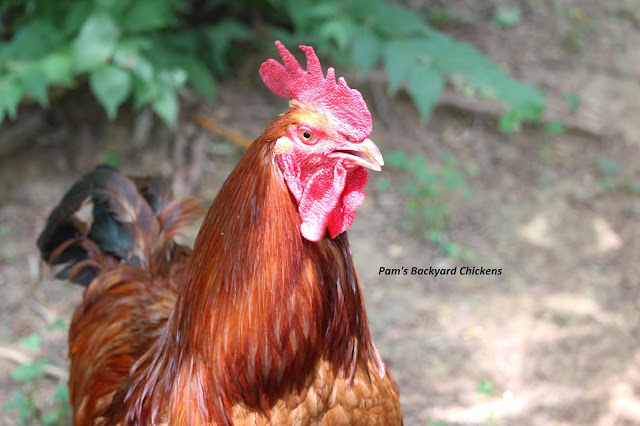

OMG! It's a Roo! How to Tell if You Have a Hen or a Rooster
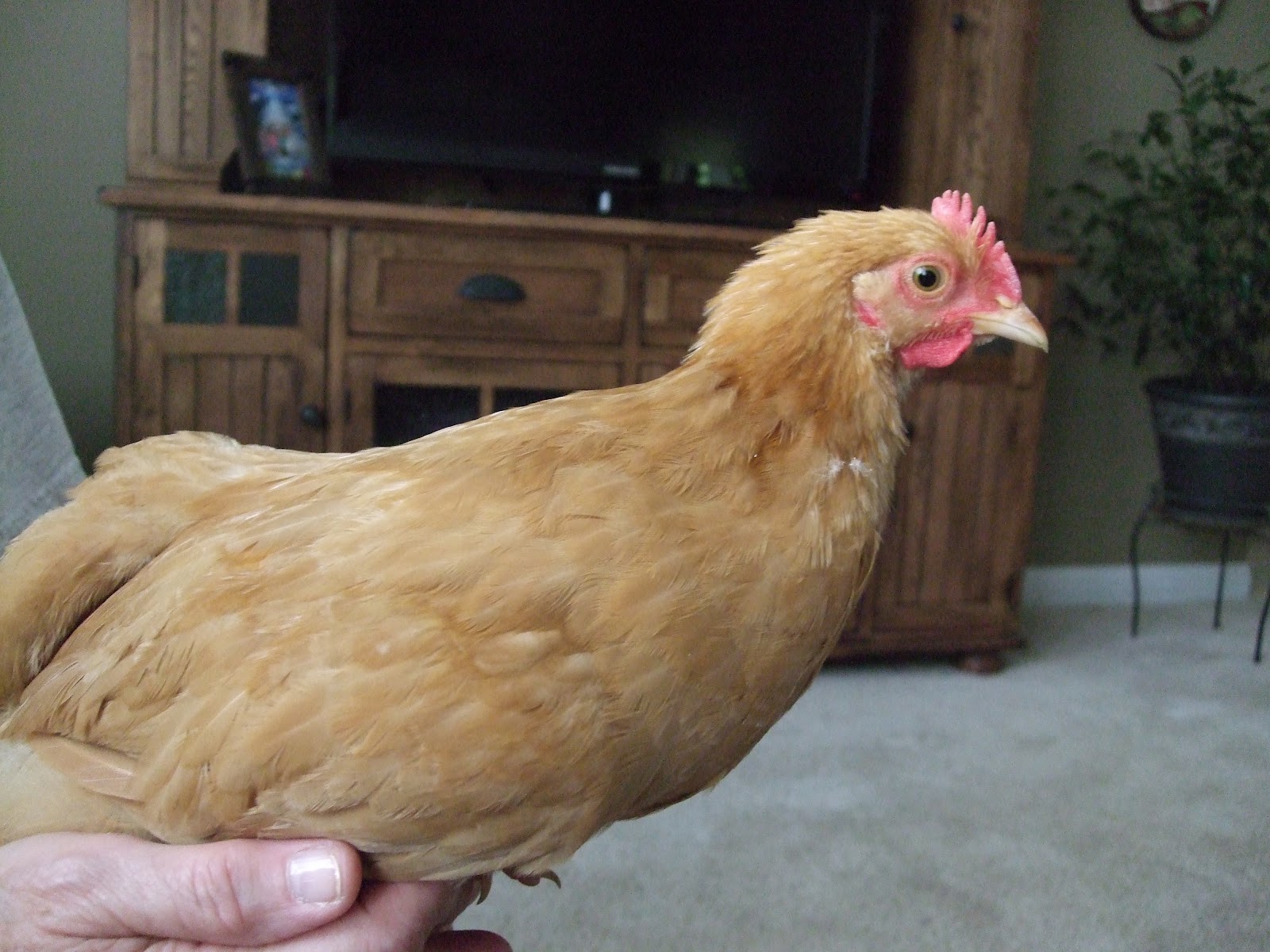
Are you wondering if you have a rooster in your flock? If so, you're not alone. As baby chicks start to grow up, it's not uncommon to wonder about the sex of your chickens even if you chose from the pullet brooder at the store or ordered pullets directly from the hatchery. Here's my personal story with getting an accidental rooster and how you can tell what you've got one (or three) in your flock.
 |
| Roopert as a young rooster. |
Baby Chicks Get Outside Time
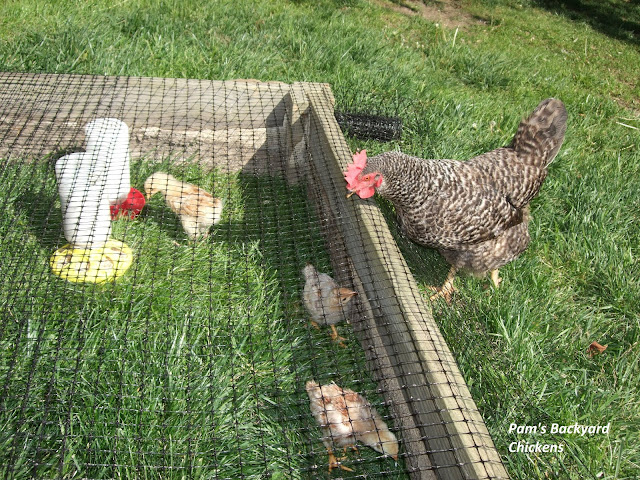
As spring gets warmer and baby chicks get older, people wonder when their baby chicks can get outside time for exercise and to scratch and peck. After all, the ultimate goal for your chickens is to live in the backyard. But when is that possible? Are there small steps you can take toward the ultimate goal?

A Top Ten List of the Best Chickens for Eggs
Most folks keep a flock of chickens for their eggs and having the best chicken breeds for eggs makes all the difference. In this regard, not all breeds are created equal. So if your goal is to get eggs, check out this top ten list of productive breeds. You'll soon find these breeds will be the backbone of your backyard flock.


How to Turn a Shed Into a Chicken Coop
The reality of beginner chicken keeping is that you'll need a chicken coop sooner rather than later. Baby chicks grow up fast! Here's how to turn a shed into a chicken coop so you can easily provide your birds with a safe place to live.

Baby Chick Health 101
Chick season is fun, but make sure you're prepared to welcome new chicks to your backyard and keep them healthy. Good baby chick health early on gives your birds the building blocks they need to become healthy adults.
 |
How to Protect Chickens From Owls
Owls aren't the biggest threat to chickens, but they can sometimes pose a threat so it's good to know how to keep your flock safe. Learn how to keep owls away from chickens and how to appreciate the benefits owls have on the farm.


How to Pick Chicken Breeds for Your Flock
A backyard flock of chickens can be a wise investment in homegrown eggs, meat and the peace of mind that comes with self-sufficiency. Getting started isn’t hard. But before buying your birds, some initial chicken breed research can ensure your flock’s productivity and climate hardiness and help you meet your goals.
A Guide to Chicken Feather Types
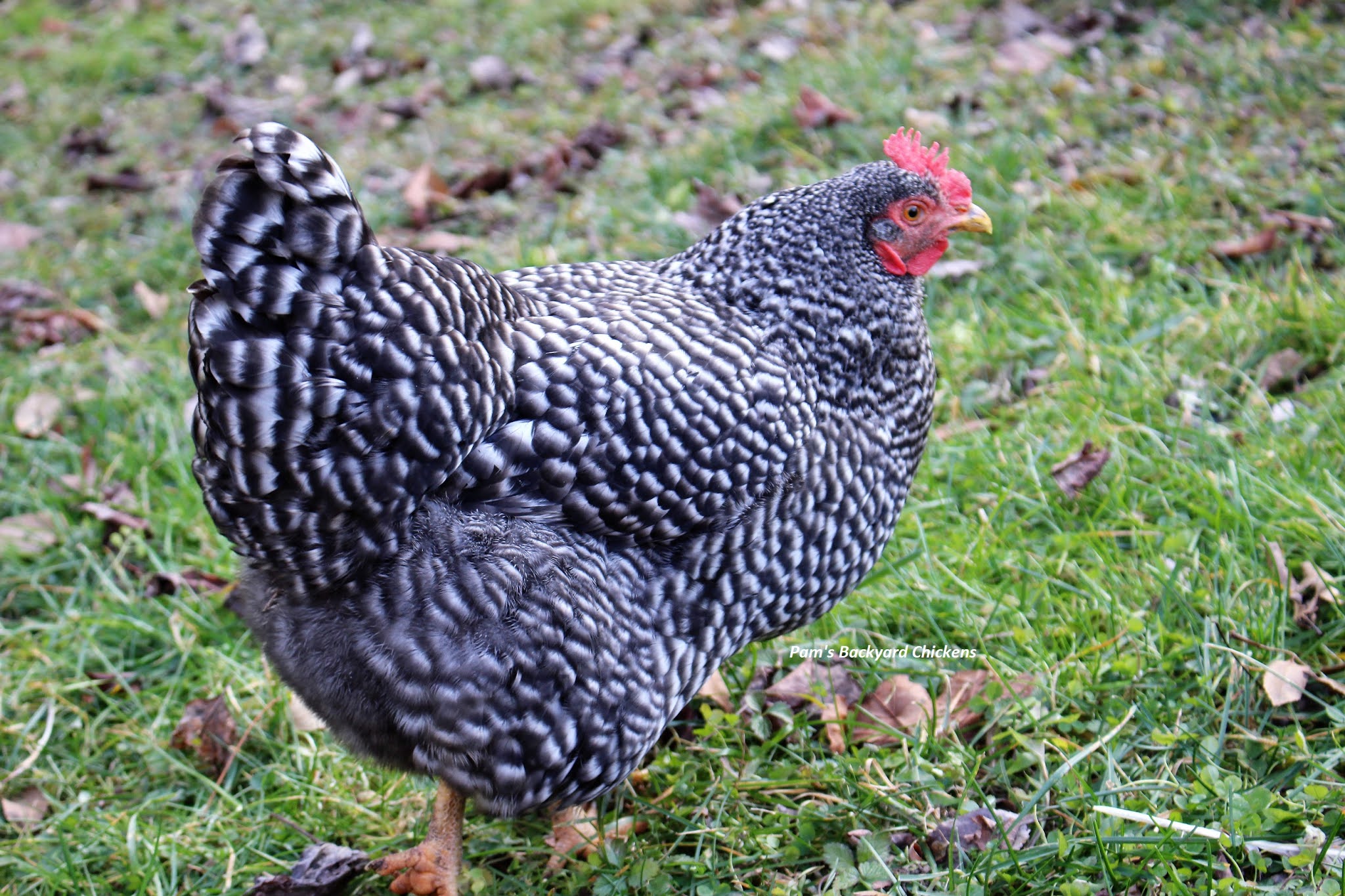
Chicken feathers. They’re what people notice most when they see a chicken. The colors.
The patterns. There’s no denying it, chicken feathers are beautiful! In fact,
many a backyard flock has been chosen for looks. Some people keep only red
chickens, others buff, black and white or speckled birds. There are lots of
choices.

But what about function? Intuitively we all know some general functions of feathers. You don’t have to go any farther than your local
department store to see feathers in action. Down comforters and pillows fetch a
high price. Feathered earrings are popular outfit accessories. A down winter
jacket is a must-have when temperatures dip. Feathers are all about function.
Even their beauty has a purpose.
The overarching function of feathers is to keep a bird protected
from cold, hot and wet weather and to protect the skin. But there’s more…

What Can Chickens Eat? Can You Feed Chickens Table Scraps?
Feeding chickens scraps from the kitchen is a great way to give them healthy treats and make sure your leftovers don’t go to waste. Next time you clean out your refrigerator, scrape the dinner plates or bring home leftovers from dinner out, why not set some aside for your flock? They’ll love you for it!
Lots of folks wonder about what to feed chickens for treats. Generally, is if it’s good for you, it’s good for them, remembering to leave out anything that’s fried, sugary, salty, alcoholic or moldy.

Lots of folks wonder about what to feed chickens for treats. Generally, is if it’s good for you, it’s good for them, remembering to leave out anything that’s fried, sugary, salty, alcoholic or moldy.

Subscribe to:
Posts (Atom)
