
Showing posts with label Feeding Your Chickens. Show all posts
Showing posts with label Feeding Your Chickens. Show all posts
A Guide to Raising Baby Chickens for Beginners
Nowadays many are taking
back some control and raising their own food via a flock of backyard chickens.
It’s not a bad idea! If you’ve never raised a flock before, or need a quick
refresher, here's a quick guide to raising baby chickens for beginners.
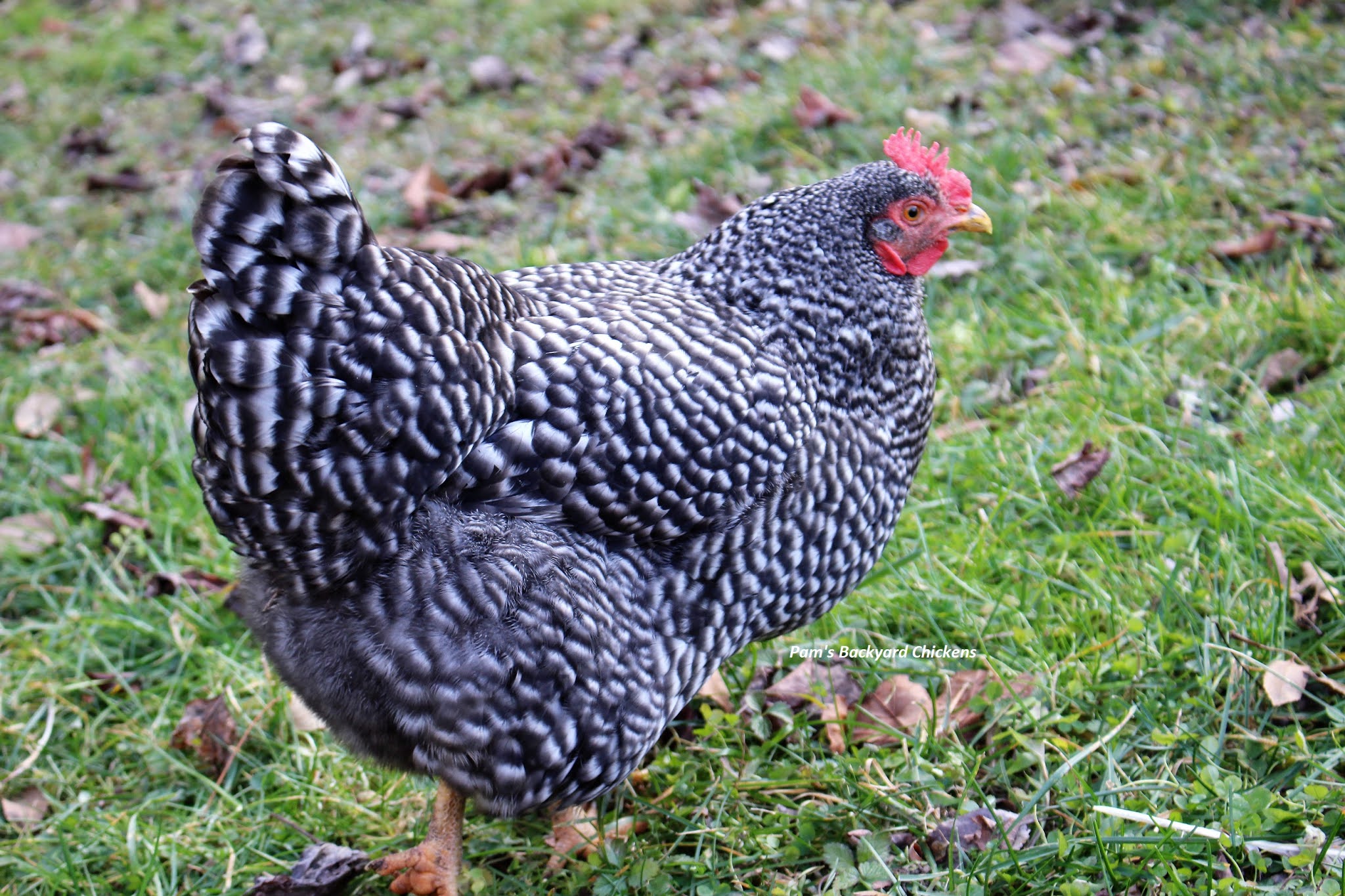
Molting Chickens Explained
Molting is a natural process that chickens go through at different times in their lives. A chicken's first molts take place as it grows from a baby chick to an adult. Because they're babies, we tend to think of this as a process of growing up, and it is, but it's technically molting.
As adult chickens, molting takes place in late summer and fall when birds replace old feathers with new plumage.


Do Chickens Eat Ticks and Spiders?
Have you ever wondered if chickens eat ticks and spiders? The short answer is yes. In fact, before we got chickens, I did a lot of research on this subject because we had a problem with black widow spiders.


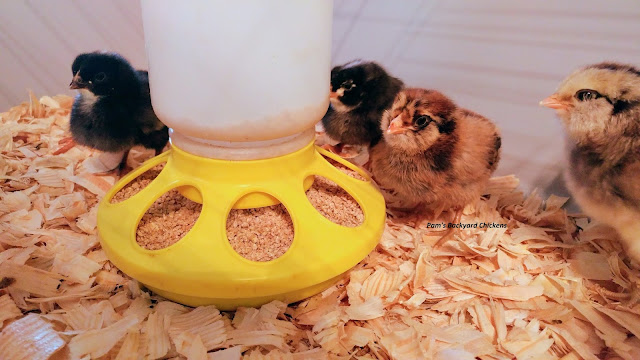
Baby Chick Health 101
Chick season is fun, but make sure you're prepared to welcome new chicks to your backyard and keep them healthy. Good baby chick health early on gives your birds the building blocks they need to become healthy adults.
 |
How to Pick Chicken Breeds for Your Flock
A backyard flock of chickens can be a wise investment in homegrown eggs, meat and the peace of mind that comes with self-sufficiency. Getting started isn’t hard. But before buying your birds, some initial chicken breed research can ensure your flock’s productivity and climate hardiness and help you meet your goals.
What Can Chickens Eat? Can You Feed Chickens Table Scraps?
Feeding chickens scraps from the kitchen is a great way to give them healthy treats and make sure your leftovers don’t go to waste. Next time you clean out your refrigerator, scrape the dinner plates or bring home leftovers from dinner out, why not set some aside for your flock? They’ll love you for it!
Lots of folks wonder about what to feed chickens for treats. Generally, is if it’s good for you, it’s good for them, remembering to leave out anything that’s fried, sugary, salty, alcoholic or moldy.

Lots of folks wonder about what to feed chickens for treats. Generally, is if it’s good for you, it’s good for them, remembering to leave out anything that’s fried, sugary, salty, alcoholic or moldy.

What do Roosters Eat?
If you've got a backyard flock with roosters and hens, what do your roosters eat? This may seem like an odd question since many backyard flocks have birds that vary in age, breed and size, including bantam chickens and heavy breeds. Feeding everyone separately is a task that's not for the faint-of-heart. Usually, all the full-grown chickens eat the same thing — a bag of layer feed. But this one-size-fits-all approach can leave chicken keepers wondering if they're really feeding the right food to the right birds. The better question is what should roosters eat?


Why Are My Chickens Laying Soft Eggs?
Throughout the year, it's not uncommon to ask "why are my chickens laying soft eggs?" This question, however, is most likely to happen in the heat of summer. Even as a seasoned chicken keeper, I have to remind myself this summertime problem is ok and things will return to normal once the weather breaks. Learn why this happens, how to help prevent soft eggs and when to worry...


Prebiotics and Probiotics for Chickens 101
Feeding your flock a nutritious and varied diet should include prebiotics and probiotics for chickens. Many commercial feed rations contain prebiotics and probiotics. But what are prebiotics and probiotics? Is there a way to supply them to your flock beyond commercial feed? How do probiotics and prebiotics help backyard chickens?
 |
| The flock enjoying a treat of bananas. (Peels were removed before serving.) |
What is a Bantam Chicken?
As you shop poultry catalogs or look at adorable baby chicken in the farm store, you'll notice some chickens labeled as bantam and others as large fowl. What's the difference? How do you choose between bantam chickens and large fowl chickens?


An Overview of What to Feed Chickens
Whether you're a new or a veteran backyard chicken keeper, it’s natural to wonder just what to feed chickens. When you get your first chickens, you grab a bag of starter feed, but what happens next? And exactly what starter feed should you grab?


Backyard Chicken Video Favorites
Enjoy these video favorites from the last few weeks. You'll see my flock jockeying for position as treats are served and eaten. You'll also see the hens free ranging in the woods. While my flock free ranges every day, they are in a very large fenced area. When I'm in the yard working or outside a lot, I'll open the gates and give them access to our wooded acreage. It's obvious they love it!
Over the Fence - A Week in Farm Photos
This week at Elm Ridge Farm (2/19 - 2/25) was full of good and bad.
The good first. We had a week of temperatures over 60 degrees with a record-breaker on Friday at 78 degrees. It was fun to get outside without a jacket! We all met the goat below at our local feed shop. He was quite the character. In fact, he butted his way onto the straw bale he's standing on, just to meet us. Spring flowers started to bloom this week and the chickens loved being outside in the comfortable weather. Peepers, our Speckled Sussex, found some creative ways to get out of the backyard but stood still long enough to pose for the Fluffy Butt Friday photo below.
The bad. We had to put our 15-year-old cat, Maggie to sleep on Thursday. She was diagnosed with lymphoma and within a week, she was so bad that we had to put her out of her misery. Her picture is below with Middie, the bunny. Middie died suddenly in September and was beloved. So, it's been a rough few months with losses here in our household. We all hope that Maggie and Middie find each other in heaven so they can play together again.
Enjoy my week in farm photos!


Over the Fence - A Week in Farm Photos
This week (February 11th - 18th) has been busy here at Elm Ridge Farm. It's been a week of wild weather, from cold to warm. Now it looks like we're going into a long stretch of 60-degree weather in mid-February. Amazing! We may even break some records. My only concern is that the plants are starting to wake up. If that happens and we go back into cold weather, that could ruin the spring bloom. But, no sense in worrying about things you can't control! I'm just planning to enjoy the weather. No snow equals no snow shoveling, and that's a good thing!
Enjoy the photos and video below from my week!

Enjoy the photos and video below from my week!
VIDEO
For Valentines' Day, I treated the flock to leftovers from a crab leg lunch. They loved picking out all the leftover meat and happily munched on the shells too. Leftover seafood can be a great source of protein and calcium.FOX SQUIRREL
This Fox Squirrel visited the tree outside my office and didn't like our cat below. He's too big for a cat, so he really had no worries. But he spent a lot of time yelling about the cat. Lol!

Understanding the Veterinary Feed Directive
January’s a time for New Year’s Resolutions and new starts. For backyard poultry owners in the United States, January 2017 was a new start in the way we medicate and treat our flocks as the Veterinary Feed Directive from the Food and Drug Administration took effect.
In a nutshell, the Veterinary Feed Directive ended over-the-counter sales of medically important antimicrobial drugs that are to be used for livestock in feed or water. Water-soluble antibiotics now require a prescription from a licensed veterinarian that has an established veterinary-client-patient-relationship with the poultry owner. Antimicrobials that are added to feed now require a Veterinary Feed Directive which is a written document that allows for the purchase of the antimicrobial and directs the use of it.
That’s a lot to take in at once and it can seem confusing, so let’s break it down.

In a nutshell, the Veterinary Feed Directive ended over-the-counter sales of medically important antimicrobial drugs that are to be used for livestock in feed or water. Water-soluble antibiotics now require a prescription from a licensed veterinarian that has an established veterinary-client-patient-relationship with the poultry owner. Antimicrobials that are added to feed now require a Veterinary Feed Directive which is a written document that allows for the purchase of the antimicrobial and directs the use of it.
That’s a lot to take in at once and it can seem confusing, so let’s break it down.

New Feather Fixer Feed Helps Chicken Molt
Our two-year-old Red Sex Link “Broody Brood” had an
extremely difficult molt in late summer. She went from full-feathered one day
to nearly naked overnight. And, I’m not kidding. It looked like a chicken
exploded in our backyard. (I had to do a head count to make sure no one was
missing!)
Her “nakedness” attracted the ire of the rest of the flock. She was getting picked on, her comb and wattle stopped being a healthy red. She needed help!
My chickens don’t usually have such dramatic molts, so I resorted to some TLC for Broody Brood. I fed her separately from the flock. I even scrambled some of my chicken eggs and fed them to the flock. After all, they are the best nutrition in the neighborhood.
But Broody Brood continued her molt and looked terrible. Then I stumbled upon Nutrena’s Feather Fixer feed. The bag said that Feather Fixer is designed to help your hens; and roosters, get through their molt quicker and help prevent mites.
According to the bag, this food can be fed year-round, or just during a molt. Nutrena says it provides:
With all those listed benefits, I had to give it a try. When I opened the bag, I was worried at first. The food is in pellets and my chickens normally hate pellets. But, to my amazement, they couldn’t get enough. We haven’t been using it long, but Broody Brood is looking better by the day. Her newly emerging feathers are coming in fast. They’re shiny and soft. She’s also picking up some weight, her comb and wattle are getting redder and she’s got a lot more energy. As a bonus, a few of my other hens who had bare backs from the roosters are also starting to look better. So far, I’m thinking this is a food I’m definitely going to feed during molting periods, and also mix in throughout the year.
Her “nakedness” attracted the ire of the rest of the flock. She was getting picked on, her comb and wattle stopped being a healthy red. She needed help!
 |
| Broody Brood, a two-year-old Red Sex Link, recovering from her hard molt. |
According to the bag, this food can be fed year-round, or just during a molt. Nutrena says it provides:
- Optimal protein and energy levels for chickens regrowing feathers, Organic trace minerals to support feather regrowth and eggshell strength, Prebiotics and probiotics to support proper digestion and nutrient absorption,
- A blend of nutrients to naturally support the immune system,
- Mite-fighter technology to prevent mites,
- A natural source of greens and
With all those listed benefits, I had to give it a try. When I opened the bag, I was worried at first. The food is in pellets and my chickens normally hate pellets. But, to my amazement, they couldn’t get enough. We haven’t been using it long, but Broody Brood is looking better by the day. Her newly emerging feathers are coming in fast. They’re shiny and soft. She’s also picking up some weight, her comb and wattle are getting redder and she’s got a lot more energy. As a bonus, a few of my other hens who had bare backs from the roosters are also starting to look better. So far, I’m thinking this is a food I’m definitely going to feed during molting periods, and also mix in throughout the year.
Vintage Kraft Pex Chicken Feed Sign
The vibrant colors caught my eye first, the chicken shape
caught my eye second and the logo from Kraft “I got the Milk Bank Boost from
Pex” sealed the deal. I haggled a little then purchased my first vintage sign
and wouldn’t you know it; the subject matter is chickens.

Let me back up a little; my kids and I love to watch “American Pickers,” a show on the History channel about finding “rusty gold” in the backyards of America and reselling it. From the show, I know that vintage signs and advertising are a huge decorating trend. But, I’ve never purchased one before.
Until this year, when I saw my sign sitting on the ground at the World’s Longest Yard Sale; an annual phenomenon in August that runs 690 miles from Michigan to Alabama.
I am not normally a yard sale shopper but this is one I just can’t miss; it’s a hoot! So I took my sign home and did a little research. It turns out my sign is one of three metal signs made for the Kraft Foods Agricultural Division in Chicago, in the late 1950s to 1960s. They were produced by the Stout Sign Company out of St. Louis, Missouri. It’s interesting because farm signs were a staple for salesman back in the day. Without computers and technology, these signs were an early form of calling cards. I was lucky enough to find a copy of The National Future Farmer magazine from the Future Farmers of America dated October/November 1963 where they had an advertisement that explained Milk-Bank Booster feeds.

I think my sign is a cool connection to the American agricultural past; and it will look great on my kitchen wall!

I am not normally a yard sale shopper but this is one I just can’t miss; it’s a hoot! So I took my sign home and did a little research. It turns out my sign is one of three metal signs made for the Kraft Foods Agricultural Division in Chicago, in the late 1950s to 1960s. They were produced by the Stout Sign Company out of St. Louis, Missouri. It’s interesting because farm signs were a staple for salesman back in the day. Without computers and technology, these signs were an early form of calling cards. I was lucky enough to find a copy of The National Future Farmer magazine from the Future Farmers of America dated October/November 1963 where they had an advertisement that explained Milk-Bank Booster feeds.

These feeds were made with milk by-products and rounded out with other vital nutrients. According to the ad, these feeds produced faster more economical gains, better health, and resistance to stress and better productivity. They did all this by adding the extra nutrition of milk by-products to the ration and by unlocking more nutrition from the other elements of the ration.
“Milk-Bank Feed Boosters are storehouses or banks for the key nutrients of milk: lactalbumin protein, milk sugar, vitamins, minerals and important growth factors – elements not found in ordinary grain rations, pasture or roughage.”
Subscribe to:
Posts (Atom)
